The 11th of February we'll celebrate the Day of Women and Girls in Science. For more information about women scientists, clic on the image below:
jueves, 18 de enero de 2018
miércoles, 10 de enero de 2018
Tissues
All living things are made up of cells. In Multicellular organisms, cells get toghether in different types: muscle cells, nerve cells, bone cells, blood cells, etc. They make tissue:
Organs are made of tissue. For example:
BONE TISSUE
NERVE TISSUE
MUSCLE TISSUE
PLANT TISSUE
SKIN TISSUE
Organs are made of tissue. For example:
- muscle tissue is used to make the abdominal muscles, the biceps, the heart, the iris, etc.
- Nerve tissue is used to make the brain, the spinal cord, etc.
viernes, 1 de diciembre de 2017
miércoles, 22 de noviembre de 2017
miércoles, 18 de octubre de 2017
3. The locomotor system
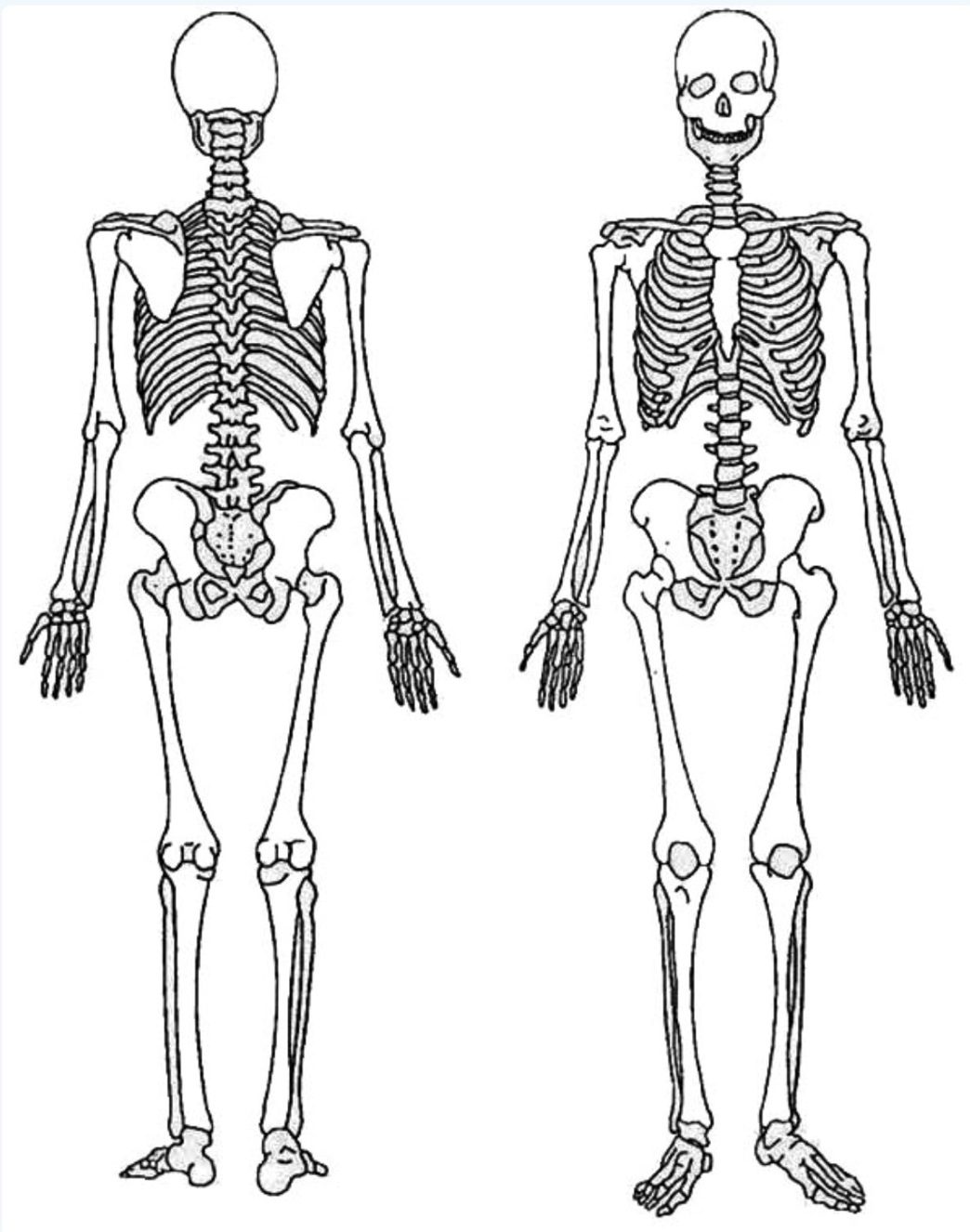
3.1. Skeleton
- 3.1.1. Head: skull (cranium, maxilla and mandible)
- 3.1.2. Torso: clavicle, scapula, sternum, ribs, vertebral column
- 3.1.3. Limbs: arms (humerus, radius, ulna, phalanges...) and legs (femur, tibia, patella, fibula, phalanges...)
Label as many bones as you can
3.2. Muscular system
- 3.2.1. Head: frontal muscles, facial muscles
- 3.2.2. Torso: trapezius, pectoral, dorsal, abdomina.
- 3.2.3. Limbs: arms (deltoid, biceps, triceps) and legs (gluteus, quadriceps, biceps femoris, gastrocnemius)
Label as many muscles as you can
2. The five senes
2.1. Sight
- Light enters our eye through the cornea and the pupil.
- The iris controls the amount of light. If there is a lot of light, it becomes small.
- The lens focuses the light.
- The image is proyected on the retina. It is connected to the optic nerve.
- The optic nerve sends the information to the brain.
2.2. Hearing
- Sound waves enter the ear through the auditory canal and the eardrum vibrates.
- The vibration moves the three small bones. They transmit this vibration to the cochlea.
- The cochlea transforms the sound into electrical signals that travel to the brain through the auditory nerve.
2.3. Smell and taste
- The air enters the nose through the nostrils.
- Nerve receptors send the information to the brain.
2.3.2. Taste
- When we eat, receptor on our tongue (called "buds") detect the different tastes.
- This information is sent to the brain through different nerves.
2.4. Touch
- The dermis contains nerves that detect sensations: temperature, pain, texture, etc. This information is sent to the brain.
Suscribirse a:
Entradas (Atom)