
lunes, 23 de abril de 2018

lunes, 16 de abril de 2018
domingo, 11 de febrero de 2018
jueves, 18 de enero de 2018
February, 11th
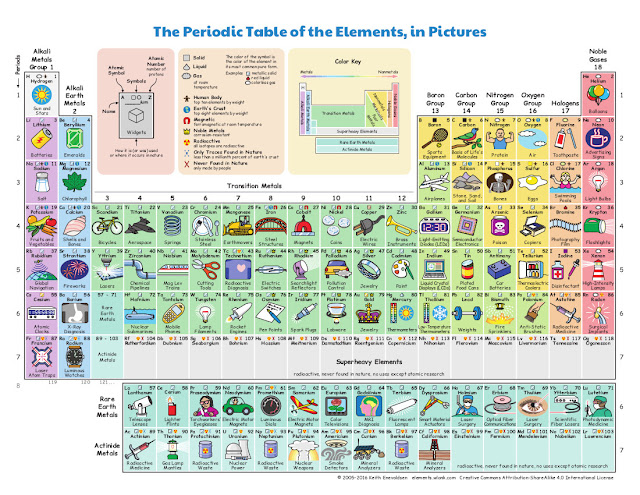
The 11th of February we'll celebrate the Day of Women and Girls in Science. For more information about women scientists, clic on the image below:

miércoles, 10 de enero de 2018
Tissues
All living things are made up of cells. In Multicellular organisms, cells get toghether in different types: muscle cells, nerve cells, bone cells, blood cells, etc. They make tissue:


Organs are made of tissue. For example:
BONE TISSUE

NERVE TISSUE

MUSCLE TISSUE

PLANT TISSUE

SKIN TISSUE

Organs are made of tissue. For example:
- muscle tissue is used to make the abdominal muscles, the biceps, the heart, the iris, etc.
- Nerve tissue is used to make the brain, the spinal cord, etc.


viernes, 1 de diciembre de 2017


miércoles, 22 de noviembre de 2017

miércoles, 18 de octubre de 2017
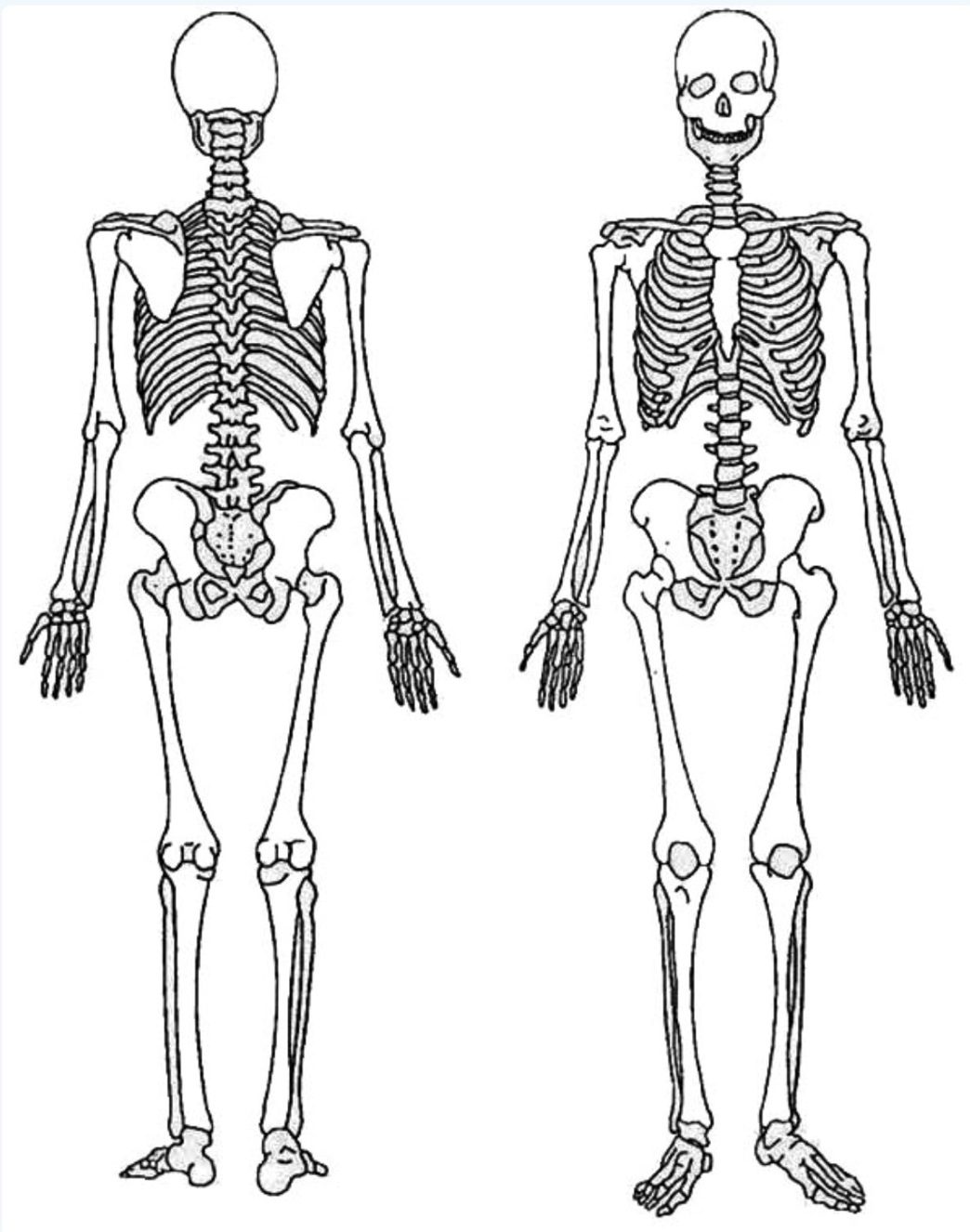
3. The locomotor system
3.1. Skeleton
- 3.1.1. Head: skull (cranium, maxilla and mandible)
- 3.1.2. Torso: clavicle, scapula, sternum, ribs, vertebral column
- 3.1.3. Limbs: arms (humerus, radius, ulna, phalanges...) and legs (femur, tibia, patella, fibula, phalanges...)
Label as many bones as you can
3.2. Muscular system
- 3.2.1. Head: frontal muscles, facial muscles
- 3.2.2. Torso: trapezius, pectoral, dorsal, abdomina.
- 3.2.3. Limbs: arms (deltoid, biceps, triceps) and legs (gluteus, quadriceps, biceps femoris, gastrocnemius)
Label as many muscles as you can


2. The five senes
2.1. Sight
- Light enters our eye through the cornea and the pupil.
- The iris controls the amount of light. If there is a lot of light, it becomes small.
- The lens focuses the light.
- The image is proyected on the retina. It is connected to the optic nerve.
- The optic nerve sends the information to the brain.

2.2. Hearing
- Sound waves enter the ear through the auditory canal and the eardrum vibrates.
- The vibration moves the three small bones. They transmit this vibration to the cochlea.
- The cochlea transforms the sound into electrical signals that travel to the brain through the auditory nerve.

2.3. Smell and taste
- The air enters the nose through the nostrils.
- Nerve receptors send the information to the brain.

2.3.2. Taste
- When we eat, receptor on our tongue (called "buds") detect the different tastes.
- This information is sent to the brain through different nerves.

2.4. Touch
- The dermis contains nerves that detect sensations: temperature, pain, texture, etc. This information is sent to the brain.

martes, 14 de marzo de 2017

The main structrures
are called organelles.
Parts of a cell:
-
Nucleus
: it controls the cell. It contains the DNA(AND)
-
Cytoplasm:
it´s like a jelly liquid that fills the inside of a cell. It holds the
organelles.
-
Vacuole:
it has water and minerals inside
-
Cell
membrane: it´s the outside wall of the cell
-
Mitochondrion:
It produces the energy of the cell.
And also in plants:
-Chlorosplast: it
makes the photosynthesis
-Cell wall: it is
the first outside wall of the cell
domingo, 5 de marzo de 2017
lunes, 27 de febrero de 2017
Suscribirse a:
Entradas (Atom)